Principles of marketing by philip kotler 13th edition ppt file. Peter Jackson’s remake of 2005 made use of Computer-Generated Imagery (CGI), previsualisation, and new techniques for motion capture. Whilst the stone wall and ship are real, most of the sets are computer generated with the live actors super imposed into the scenes (Tyler 2012).
Get the best deals for king kong 2005 book at eBay.com. We have a great online selection at the lowest prices with Fast & Free shipping on many items! King Kong (2005) has many things going for it and against it! Despite this, any film, and King Kong in particular, is much more than a summary and analysis of its strengths and weaknesses. It is, basically, an indictment of just how the modern world destroys everything that is good and innocent for its insatiable appetite for massive.
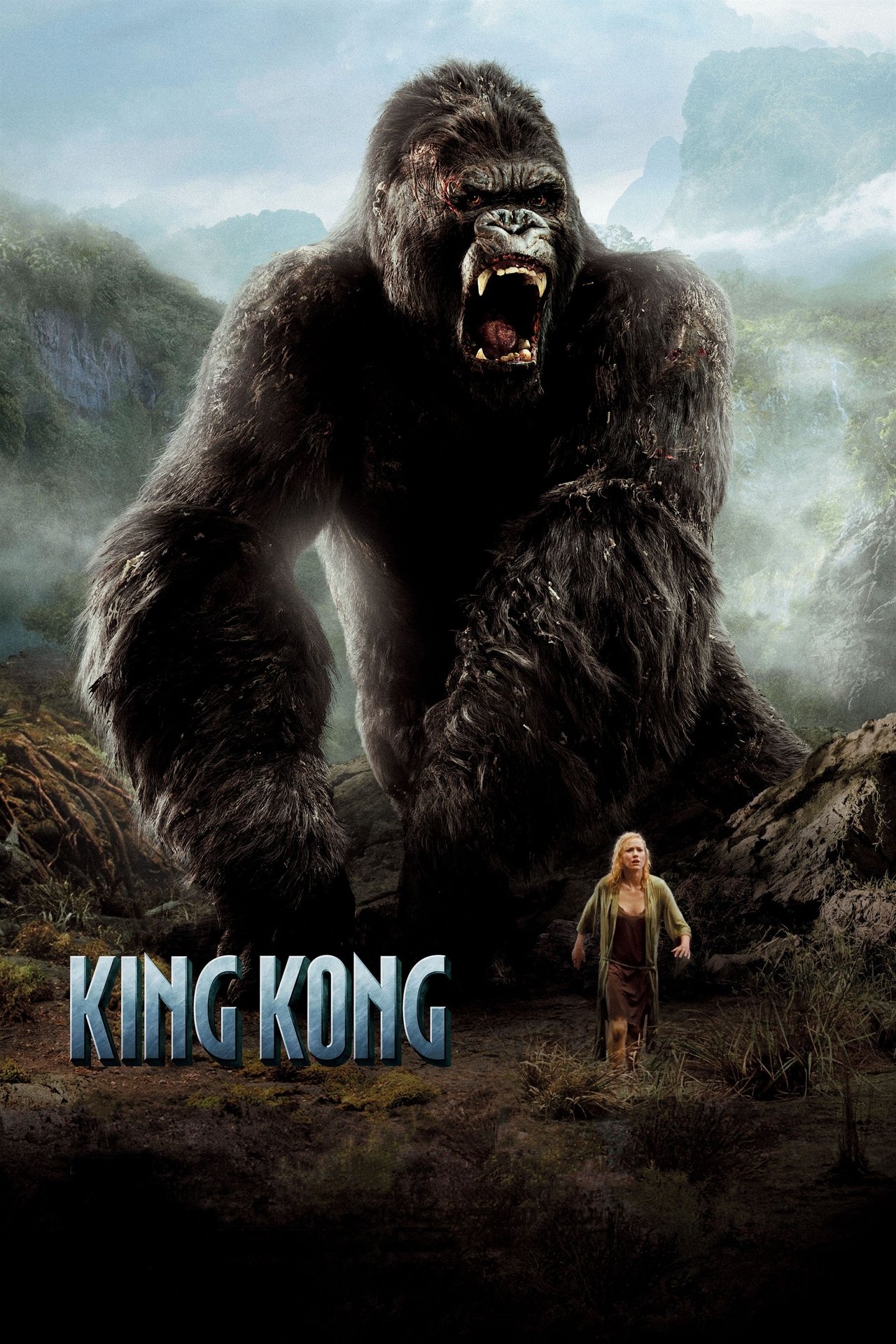
In this iteration, Kong closely resembles and acts according to a super-sized 25 foot tall Silverback Gorilla. Rather than rely on a humanoid appearance, Kong has more capabilities in displaying emotions. Jackson describes his character as very lonely, probably 100 to 120 years old, and having lived a very brutal life (Urban Cine File 2005).
CGI has used to make films such as Jurassic Park and Men In Black visually richer and more exciting (Jones and Oliff 2007). This digital effect is used extensively throughout the third version of Kong and is an example of going beyond its original purpose of assisting the directors to visualise the imaginary (Manovich 2001), such as King Kong and the dinosaurs, to replacing real world sets such as the jungle scenes, and ocean storm scenes. However, this use of CGI gives Jackson greater artistic control over the narrative.
CGI both enables change and forces it, where it pits spectacle against narrative, with overt CGI potentially suspending the narrative (Mak 2003).
Another technology used was that of previsualisation which replaced storyboarding and allowed Jackson to visualise each scene with the help of a few animators. Afterward, the actors followed the animated guides. Christian Rivers argues that “[The previsualisation] gives everyone a good bedrock for the sequences that are going to be in the film” (King Kong – Peter Jackson’s Production Diaries 2005).
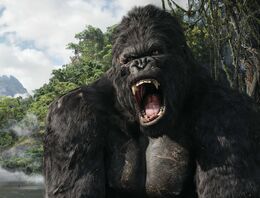
In Jackson’s Lord of The Rings, Gollum’s large eyes were modelled (and enlarged) on Andy Serkis’ acting which “ensured the audience’s empathy with and sympathy for the Smeagol personality” (Claydon 2005, p.4). In a similar fashion, Kong’s expressions are modelled on Serkis’ acting to elicit a wide variety of emotions that draw compassion from the audience, such as in ‘Kong’s Interactions with Ann’ scene (below). Some writers indicate that motion capture is the most effective way to make a computer-generated performance seem real (McClean 2007).
However human emotions would not transfer well onto that of a CGI gorilla and so a new system was created that would figure out the muscular and emotional correspondence between a human and a gorilla’s face to allow Serkis’ expressions on Kong (Urban Cine File, 2005). This narrative-led improvement of special effects supports the argument of Shilo T. McClean that narrative continues to drive the use of CGI and not the other way around (McClean 2007).

Jackson also wanted a more natural Kong that built on the knowledge people now have of these animals. Serkis sums up the differing requirements for a Gorilla in 2005 over 1933 after researching for his role: “People know a lot more about the gorilla than they did in Cooper’s time so he wouldn’t eat the flesh of the dinosaur, because gorillas are vegetarian – people know that” (Urban Cine File 2005, p.1). Download quickbooks pro 2008 serial key free.
King Kong (2005) is the 4th highest grossing movie ever made by Universal Pictures (Wikipedia 2011b).The film won 3 Academy Awards for Visual Effects, Sound Mixing, and Sound Editing with commentators praising the CGI and the acting. Entertainment Weekly placed Kong as its favourite CGI character ever:
“Never before has an animated character looked so reach-out-and-touch-him real — and expressed so much without saying a word. Rage, tenderness, confusion, fear… all cross the beast’s face at various points of Jackson’s epic, making us adore and worry for him right along with his beloved Ann Darrow.” (Entertainment Weekly 2007, p.10).
Serkis and Naomi Watts (Ann) also drew praise from the New York Times with Serkis “redefining screen acting for the digital age”, and Watts who “incarnates the glamour and emotional directness of classical Hollywood” (Scott 2005, p.1). Criticisms usually centred on the live actors super imposition on the CGI looking awkward (Tyler 2012, p.1) as the CGI and live action is “pushed to a point where the seams begin to show” (Scott 2005, p.1) as well as the over use of CGI which can be distancing “In drawing attention to the realism of the technology, the technology itself becomes more visible and the cinematic apparatus more, rather than less, evident” (Claydon 2005, p.3). Also moments of visually overwhelming CGI can distract the audience from concentrating on the main plot and force them instead to concentrate on having their senses audio-visually stimulated (Mak 2003). Tyler (2012, p.1) notes the change in focus of the 2005 version over its predecessors: “Now more than a sympathetic monster movie, Kong has become a deeply emotional, sometimes tortured film”.
Peter Jackson’s remake of 2005 made use of Computer-Generated Imagery (CGI), previsualisation, and new techniques for motion capture. Whilst the stone wall and ship are real, most of the sets are computer generated with the live actors super imposed into the scenes (Tyler 2012).
In this iteration, Kong closely resembles and acts according to a super-sized 25 foot tall Silverback Gorilla. Rather than rely on a humanoid appearance, Kong has more capabilities in displaying emotions. Jackson describes his character as very lonely, probably 100 to 120 years old, and having lived a very brutal life (Urban Cine File 2005).
CGI has used to make films such as Jurassic Park and Men In Black visually richer and more exciting (Jones and Oliff 2007). This digital effect is used extensively throughout the third version of Kong and is an example of going beyond its original purpose of assisting the directors to visualise the imaginary (Manovich 2001), such as King Kong and the dinosaurs, to replacing real world sets such as the jungle scenes, and ocean storm scenes. However, this use of CGI gives Jackson greater artistic control over the narrative.
CGI both enables change and forces it, where it pits spectacle against narrative, with overt CGI potentially suspending the narrative (Mak 2003).
Another technology used was that of previsualisation which replaced storyboarding and allowed Jackson to visualise each scene with the help of a few animators. Afterward, the actors followed the animated guides. Christian Rivers argues that “[The previsualisation] gives everyone a good bedrock for the sequences that are going to be in the film” (King Kong – Peter Jackson’s Production Diaries 2005).
In Jackson’s Lord of The Rings, Gollum’s large eyes were modelled (and enlarged) on Andy Serkis’ acting which “ensured the audience’s empathy with and sympathy for the Smeagol personality” (Claydon 2005, p.4). In a similar fashion, Kong’s expressions are modelled on Serkis’ acting to elicit a wide variety of emotions that draw compassion from the audience, such as in ‘Kong’s Interactions with Ann’ scene (below). Some writers indicate that motion capture is the most effective way to make a computer-generated performance seem real (McClean 2007).
King Kong 2005 Tv Spot
However human emotions would not transfer well onto that of a CGI gorilla and so a new system was created that would figure out the muscular and emotional correspondence between a human and a gorilla’s face to allow Serkis’ expressions on Kong (Urban Cine File, 2005). This narrative-led improvement of special effects supports the argument of Shilo T. Acl software download. McClean that narrative continues to drive the use of CGI and not the other way around (McClean 2007).
Jackson also wanted a more natural Kong that built on the knowledge people now have of these animals. Serkis sums up the differing requirements for a Gorilla in 2005 over 1933 after researching for his role: “People know a lot more about the gorilla than they did in Cooper’s time so he wouldn’t eat the flesh of the dinosaur, because gorillas are vegetarian – people know that” (Urban Cine File 2005, p.1).
King Kong (2005) is the 4th highest grossing movie ever made by Universal Pictures (Wikipedia 2011b).The film won 3 Academy Awards for Visual Effects, Sound Mixing, and Sound Editing with commentators praising the CGI and the acting. Entertainment Weekly placed Kong as its favourite CGI character ever:
“Never before has an animated character looked so reach-out-and-touch-him real — and expressed so much without saying a word. Rage, tenderness, confusion, fear… all cross the beast’s face at various points of Jackson’s epic, making us adore and worry for him right along with his beloved Ann Darrow.” (Entertainment Weekly 2007, p.10).
King Kong 2005 Vs Kong Skull Island
Serkis and Naomi Watts (Ann) also drew praise from the New York Times with Serkis “redefining screen acting for the digital age”, and Watts who “incarnates the glamour and emotional directness of classical Hollywood” (Scott 2005, p.1). Criticisms usually centred on the live actors super imposition on the CGI looking awkward (Tyler 2012, p.1) as the CGI and live action is “pushed to a point where the seams begin to show” (Scott 2005, p.1) as well as the over use of CGI which can be distancing “In drawing attention to the realism of the technology, the technology itself becomes more visible and the cinematic apparatus more, rather than less, evident” (Claydon 2005, p.3). Also moments of visually overwhelming CGI can distract the audience from concentrating on the main plot and force them instead to concentrate on having their senses audio-visually stimulated (Mak 2003). Tyler (2012, p.1) notes the change in focus of the 2005 version over its predecessors: “Now more than a sympathetic monster movie, Kong has become a deeply emotional, sometimes tortured film”.